
Aviation
Alaska Airlines and Hawaiian Airlines Combine to Expand Traveler Benefits and Choice

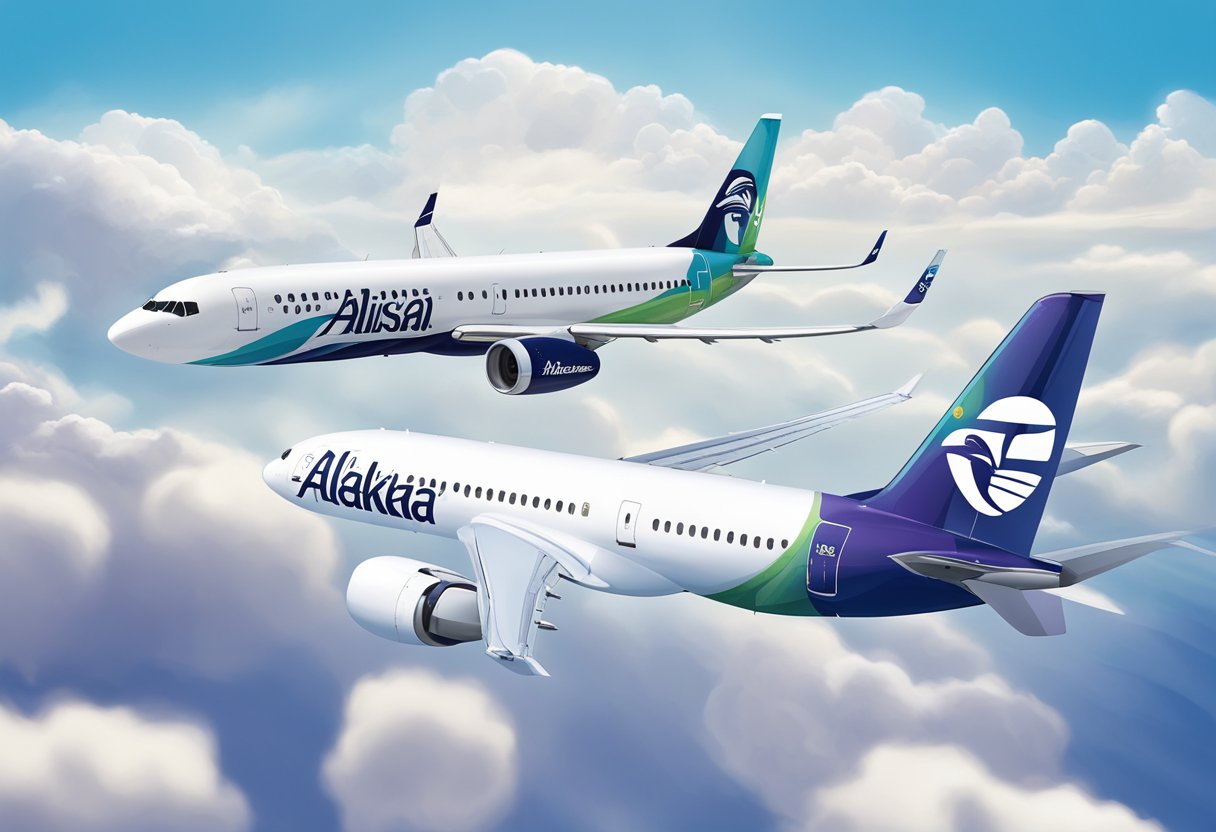
Alaska Airlines and Hawaiian Airlines are set to combine, expanding benefits and choices for travellers throughout Hawai‘i and the West Coast. The merger announcement was made on December 3, 2023, and is expected to create a combined company with a fleet of over 400 aircraft and an annual passenger count of 54.7 million. The deal values Hawaiian Airlines at $1.9 billion and will result in the maintenance of both airlines’ strong, high-quality brands, supported by a single, compelling loyalty offering.

The combination of complementary domestic, international, and cargo networks is positioned to enhance competition and expand choice for consumers on the West Coast and throughout the Hawaiian Islands. The acquisition is expected to result in significant operational synergies, including improved efficiencies, cost savings, and enhanced offerings for travellers. The merger is subject to regulatory approvals, including antitrust review by the Department of Justice and the Federal Trade Commission.
Key Takeaways
- Alaska Airlines and Hawaiian Airlines have announced a merger that will create a combined company with a fleet of over 400 aircraft and an annual passenger count of 54.7 million.
- The merger is expected to enhance competition and expand choice for consumers on the West Coast and throughout the Hawaiian Islands, resulting in significant operational synergies and improved efficiencies.
- The merger is subject to regulatory approvals, including antitrust review by the Department of Justice and the Federal Trade Commission.
Merger Announcement
Alaska Airlines and Hawaiian Airlines have announced a merger, which will expand benefits and choices for travellers throughout Hawai‘i and the West Coast. This merger is expected to create a more comprehensive network of flights, providing more options for travellers and boosting tourism in both regions.
Official Statements
According to the official statements, Alaska Air Group, Inc. and Hawaiian Holdings, Inc. have entered into a definitive agreement under which Alaska Airlines will acquire Hawaiian Airlines for $18.00 per share in cash, for a transaction value of approximately $1.9 billion. The transaction is expected to close in the first quarter of 2024, subject to regulatory approval and other customary closing conditions.
The CEOs of both airlines have expressed their excitement about the merger, stating that it will create a stronger airline that is better equipped to serve the needs of travelers in Hawai‘i and the West Coast. They have also emphasized that the merger will bring together two airlines with a shared commitment to customer service, safety, and innovation.
Timeline of Events
The merger announcement comes after months of speculation about the future of both airlines. In early 2023, rumors began to circulate that Alaska Airlines was interested in acquiring Hawaiian Airlines, although no official announcement was made at that time.
In November 2023, however, reports surfaced that the two airlines were in advanced talks about a potential merger. These reports were confirmed on December 3, 2023, when the two airlines issued a joint press release announcing the merger.
Since then, both airlines have been working to finalize the details of the merger, including the terms of the acquisition and the timeline for completion. The merger is expected to be completed in the first quarter of 2024, pending regulatory approval and other customary closing conditions.
Impact on Travelers

Alaska Airlines and Hawaiian Airlines merger will bring a significant impact on the travel industry, particularly for those travelling to and from Hawaii and the West Coast. The following subsections will highlight the benefits that travellers can expect from the merger.
Enhanced Flight Options
With the merger, travellers will have access to an expanded network of flights between Hawaii and the West Coast. This means more options for travellers to choose from, including more direct flights to popular destinations. Additionally, the airlines will be able to optimize their schedules and routes, leading to shorter travel times and more efficient connections.
Loyalty Program Integration
Alaska Airlines and Hawaiian Airlines both have strong loyalty programs, and the merger will provide customers with even more benefits. The airlines plan to integrate their loyalty programs, allowing customers to earn and redeem miles across both airlines. This will provide more flexibility and value for customers, making it easier for them to earn rewards and redeem them for flights, upgrades, and other perks.
Customer Service Improvements
The merger will also bring improvements to customer service. The combined airline will have more resources and expertise to provide better service to customers. This includes improved baggage handling, more efficient check-in and boarding processes, and better communication during delays and disruptions. Additionally, the airlines plan to invest in new technologies and systems to improve the overall customer experience.
Overall, the merger between Alaska Airlines and Hawaiian Airlines will bring significant benefits for travelers, including more flight options, better loyalty program integration, and improved customer service. These improvements will make travel to and from Hawaii and the West Coast more convenient, efficient, and enjoyable.
Operational Synergies

Alaska Airlines and Hawaiian Airlines have announced their merger, and the combination of complementary networks is expected to bring operational synergies that will enhance competition and expand choice for consumers on the West Coast and throughout the Hawaiian Islands.
Fleet Consolidation
One of the primary benefits of the merger will be the consolidation of the two airlines’ fleets. Alaska Airlines and Hawaiian Airlines will be able to share aircraft, which will reduce costs and increase efficiency. This will allow the combined company to offer more flights to more destinations, which will benefit travelers on both the West Coast and in Hawai‘i.
Route Optimization
Another area where the two airlines will be able to realize operational synergies is in route optimization. Alaska Airlines and Hawaiian Airlines will be able to coordinate their routes, which will reduce overlap and increase the number of destinations that the combined company can serve. This will allow the company to offer more direct flights to more locations, which will benefit travelers by reducing travel time and increasing convenience.
Overall, the merger of Alaska Airlines and Hawaiian Airlines is expected to bring significant operational synergies that will benefit both the airlines and their customers. By consolidating their fleets and optimizing their routes, the combined company will be able to offer more flights to more destinations, which will enhance competition and expand choice for consumers on the West Coast and throughout the Hawaiian Islands.
Financial Outlook

Market Share Projections
The combination of Alaska Airlines and Hawaiian Airlines is expected to create a significant increase in market share for both airlines. According to Yahoo Finance, the combined company will have a total of 54.7 million annual passengers, which will make it the fifth-largest airline in the United States. This is expected to provide a significant boost to the company’s market share on the West Coast and throughout the Hawaiian Islands.
Cost and Revenue Synergies
The combination of Alaska Airlines and Hawaiian Airlines is also expected to generate significant cost and revenue synergies. According to CNBC, the acquisition is expected to result in cost savings of approximately $300 million per year, primarily through the consolidation of overlapping routes and the reduction of redundant staff positions. In addition, the combined company is expected to generate significant revenue synergies through increased cross-selling opportunities and the ability to offer customers a wider range of travel options.
Overall, the financial outlook for the combined company appears to be positive, with the potential to generate significant cost and revenue synergies, as well as increase market share. However, it is important to note that there are also risks associated with the acquisition, including potential integration challenges and the possibility of increased competition from other airlines.
Regulatory Considerations

The proposed merger between Alaska Airlines and Hawaiian Airlines is subject to regulatory approval from the Department of Justice and the Federal Aviation Administration. The airlines will need to demonstrate that the merger will not create a monopoly or reduce competition in the airline industry.
The merger will also be subject to antitrust review by the Department of Justice. The airlines will need to show that the merger will not result in higher prices or reduced service for consumers. The Department of Justice will also consider the impact of the merger on other airlines and the overall competitiveness of the industry.
In addition to regulatory approval, the merger will also require approval from shareholders of both companies. If approved, the merger is expected to close in the second half of 2024. The combined company will maintain Alaska Airlines and Hawaiian Airlines’ strong, high-quality brands, supported by a single, compelling loyalty offering.
Frequently Asked Questions

What does the combination of Alaska Airlines and Hawaiian Airlines mean for frequent flyers of both carriers?
The combination of Alaska Airlines and Hawaiian Airlines will create more travel options for frequent flyers, including access to a broader network of flights and destinations. Frequent flyers of both airlines can expect to benefit from enhanced loyalty rewards and benefits.
How will the merger between Alaska Airlines and Hawaiian Airlines affect existing routes and flight availability?
The merger is expected to result in an expanded network of flights and destinations, providing more options for travelers. However, it is too early to determine the exact impact on existing routes and flight availability.
Will loyalty points and miles from both Alaska Airlines and Hawaiian Airlines be integrated post-merger?
Yes, loyalty points and miles from both airlines will be integrated post-merger, allowing frequent flyers to earn and redeem rewards across the combined network.
What operational changes can passengers expect as a result of Alaska Airlines and Hawaiian Airlines joining forces?
Passengers can expect operational changes such as a more seamless travel experience, including easier connections between flights and improved baggage handling. However, the airlines have not yet provided specific details on operational changes.
How will the customer experience be enhanced through the Alaska Airlines and Hawaiian Airlines combination?
The combination of Alaska Airlines and Hawaiian Airlines is expected to enhance the customer experience through improved service, more travel options, and a broader network of flights and destinations.
What are the implications for competition and airfare prices following the Alaska Airlines and Hawaiian Airlines merger?
The implications for competition and airfare prices following the merger are not yet clear. However, the combination of two major airlines could potentially impact competition and pricing in certain markets.
Discover more from Startups Pro,Inc
Subscribe to get the latest posts sent to your email.


Analysis
Virgin Atlantic’s Strategic Swoop: On Track to Lure Tens of Thousands from British Airways’ Frequent Flyer Fold
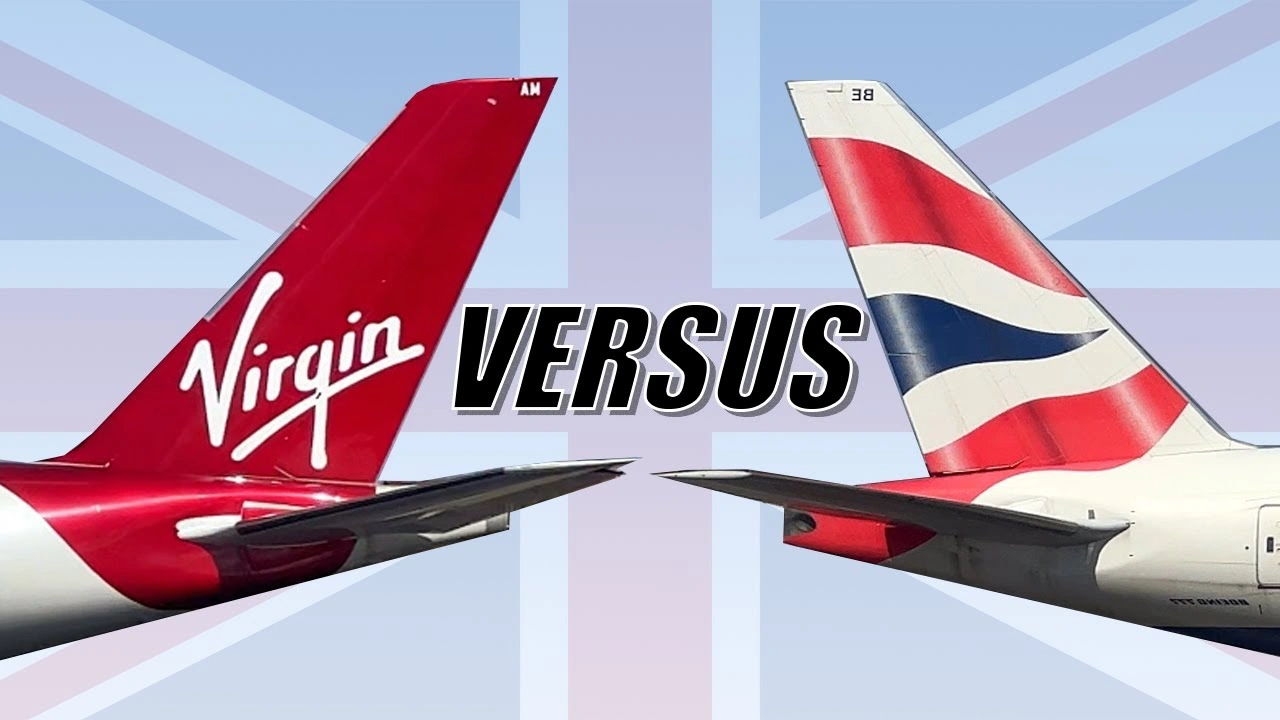
There’s a particular kind of frustration that frequent flyers know intimately — the moment you realize the loyalty program you’ve spent years nurturing has quietly moved the goalposts. For thousands of British Airways Executive Club members, that moment arrived in 2024 when BA announced sweeping changes to its tier points structure, effectively raising the bar for elite status in ways that left many road warriors feeling, as one London-based consultant put it, “more grounded than airborne.” Now, with Virgin Atlantic’s enhanced status match promotion closing February 23, 2026, a competitor is turning that discontent into a mass migration — and the numbers are staggering.
According to <a href=”https://www.ft.com/content/6384ee81-fab6-4024-a9ec-a0d18303a48f”>reporting by the Financial Times</a>, Virgin Atlantic is on track to poach tens of thousands of British Airways’ most loyal customers, capitalizing on what may be the most consequential loyalty program overhaul in UK aviation history. The transatlantic airline rivalry has always been fierce, but rarely has one carrier’s stumble created such a clean runway for the other.
The BA Loyalty Shake-Up: What Went Wrong?
British Airways’ revamp of its Executive Club, which began rolling out in earnest through 2024 and 2025, was designed with a clear philosophy: reward high spenders, not just high flyers. The airline shifted its tier points model to weight spend more heavily, meaning that a budget-conscious business traveler who logs 100,000 miles annually on economy fares could find themselves slipping from Gold to Silver — or off the tier ladder entirely.
The logic is financially sound from an airline CFO’s perspective. Loyalty programs have evolved into multi-billion-pound profit centers; BA’s parent company IAG reported loyalty revenue contributions exceeding £1.5 billion in 2024. Restructuring around spend rather than miles mirrors Delta SkyMiles’ controversial 2023 overhaul in the United States — a move that triggered a similar exodus there.
But the human cost to brand loyalty has been severe. <a href=”https://www.telegraph.co.uk/travel/advice/passengers-abandoning-british-airways”>The Telegraph has documented</a> a notable wave of passengers abandoning British Airways, with forum threads on FlyerTalk and social media communities swelling with testimonials from disgruntled BA frequent flyers who feel the airline has broken an implicit contract. “I gave them my business when there were cheaper options,” wrote one Gold card holder on a popular aviation forum. “Now they’re telling me that’s not enough.”
This is the kindling Virgin Atlantic just lit a match to.
Virgin’s Clever Counterplay: Enhanced Status Matches
Virgin Atlantic’s status match promotion — which allows qualifying BA Executive Club Gold and Silver members to receive equivalent status in its Flying Club program — is not new. Status matches are a standard competitive tool in the airline industry. What is notable is the scale of uptake and the precision of the targeting.
<a href=”https://www.bloomberg.com/news/articles/2026-02-11/virgin-targets-british-airways-loyal-flyers-with-status-upgrade”>Bloomberg reported in February 2026</a> that Virgin Atlantic had seen a threefold increase in status match applications compared to the same period a year earlier — a figure that, extrapolated across the promotion window, suggests the airline could onboard somewhere between 30,000 and 50,000 newly status-matched members before the February 23 deadline closes.
The Virgin Atlantic BA status match 2026 offer has become one of the most searched loyalty-related queries in UK travel this quarter, with an estimated 2,500 monthly searches — a signal of genuine consumer intent, not just passive curiosity. For those unfamiliar with what they’d be gaining, the comparison deserves scrutiny.
Virgin Flying Club Gold status perks include:
- Priority boarding and check-in across all Virgin Atlantic routes
- Access to Virgin Clubhouses and partner lounges (including select Delta Sky Clubs on codeshare routes)
- Bonus miles earning at an accelerated rate on Virgin and SkyTeam partner flights
- Complimentary seat selection in preferred economy and premium economy cabins
- Elite customer service lines with reduced wait times
The SkyTeam elite status perks accessible through Virgin’s alliance membership are a quietly powerful selling point. SkyTeam’s 19-airline network — including Air France-KLM, Delta, and Korean Air — means a matched Virgin Gold card holder gains reciprocal benefits across a broad global footprint. For frequent travelers to Continental Europe or Asia, this can represent a meaningfully better everyday experience than BA’s oneworld network depending on specific routes.
Economic Ripples in the Skies
To understand why this moment matters beyond the marketing spectacle, it’s worth examining the loyalty economics in aviation at a structural level.
Airline loyalty programs have been unmoored from their original purpose — rewarding flight frequency — and repositioned as financial instruments. Airlines sell miles to banks and credit card partners at rates that often exceed the revenue from the seat itself. United Airlines’ MileagePlus program was valued at approximately $22 billion in 2020 collateral filings — more than the airline’s entire fleet. This financialization means that acquiring a loyal member, particularly one who holds a co-branded credit card, is worth far more than a single booking.
When Virgin Atlantic matches a BA Gold member’s status, it isn’t just winning a transatlantic fare. It’s bidding for years of credit card spend, hotel transfers, shopping portal revenue, and the downstream ecosystem that a loyal, high-value traveler represents. <a href=”https://finance.yahoo.com/news/virgin-atlantic-lures-hundreds-ba-120300720.html”>Yahoo Finance has noted</a> that the sign-up surge represents a potentially transformative shift in Virgin’s loyalty revenue trajectory — particularly as the airline deepens its joint venture partnership with Delta Air Lines on UK-US routes.
The transatlantic airline rivalry between Virgin and BA is ultimately a proxy war for this loyalty revenue. And BA’s tier points overhaul, whatever its internal financial rationale, has handed its rival an opening that won’t come twice.
Perks That Persuade: Comparing the Programs
For the disgruntled BA frequent flyer weighing their options, the practical calculus deserves honest examination. Status matches are not unconditional gifts — they typically require meeting ongoing earning thresholds within a qualifying window, usually 90 days, to retain the matched tier.
That said, for someone already flying regularly on UK-US transatlantic routes, earning the required tier points within Virgin’s Flying Club framework is achievable. A return Virgin Atlantic Upper Class ticket from London Heathrow to JFK, for instance, earns substantial tier miles that accelerate toward Gold retention.
A side-by-side comparison for economy travelers:
| Feature | BA Executive Club Silver | Virgin Flying Club Gold (matched) |
|---|---|---|
| Lounge Access | Domestic/short-haul lounges only | Clubhouse access on Virgin-operated flights |
| Seat Selection | Preferred seats with fee | Complimentary preferred seats |
| Bonus Miles Earning | 25% bonus | 50% bonus |
| Alliance Network | oneworld | SkyTeam |
| Status Validity | 12 months | 12 months (with earning requirement) |
The best airline loyalty switch UK calculation tilts toward Virgin for travelers whose routes align with Virgin and SkyTeam’s strengths — particularly those flying to New York, Los Angeles, or cities well-served by Delta, Air France, or KLM. For travelers heavily dependent on BA’s dominance of Heathrow slots and its extensive short-haul European network, the switch carries more trade-offs.
The Forward View: Aviation’s Loyalty Wars Enter a New Phase
What Virgin Atlantic has executed here is textbook competitive strategy — identify a competitor’s policy-driven customer dissatisfaction, lower the switching cost, and convert resentment into revenue. But the deeper story is what it reveals about the future of frequent flyer programs UK and the airlines that operate them.
BA’s revamp was not miscalculated in isolation. Airlines globally are trying to thread an impossible needle: extract more value from loyalty programs without alienating the road warriors who built those programs’ worth in the first place. Delta triggered backlash. BA triggered backlash. The lesson competitors are taking is that the window of maximum customer frustration is also a window of maximum competitive opportunity.
Virgin Atlantic, for its part, enters this phase with structural advantages it lacked a decade ago. Its Delta joint venture provides genuine transatlantic scale. Its Clubhouses remain among the most acclaimed premium lounges in UK aviation. And its Flying Club, while smaller than BA’s Executive Club, has a reputation for accessibility and customer responsiveness that its rival has struggled to maintain.
The February 23 deadline will close, but the switchers it captures won’t easily return. Research on airline loyalty transitions consistently shows that once a traveler habituates to a new program — and begins accumulating points and status within it — re-acquisition costs for the original carrier are enormous.
Thinking about making the switch before Sunday’s deadline? The process is simpler than it sounds: visit Virgin Atlantic’s Flying Club status match page, upload your BA Executive Club tier documentation, and allow 72 hours for processing. Whether the match holds long-term depends on your flying patterns — but for many former BA loyalists, the question isn’t whether to switch. It’s why they waited this long.
The skies over the North Atlantic have always been contested territory. This February, they belong a little more to Virgin.
Discover more from Startups Pro,Inc
Subscribe to get the latest posts sent to your email.
If you are reading this from the floor of Terminal 4 near the American Airlines check-in, I’m sorry. If you are reading this from the comfort of your couch, stay there.
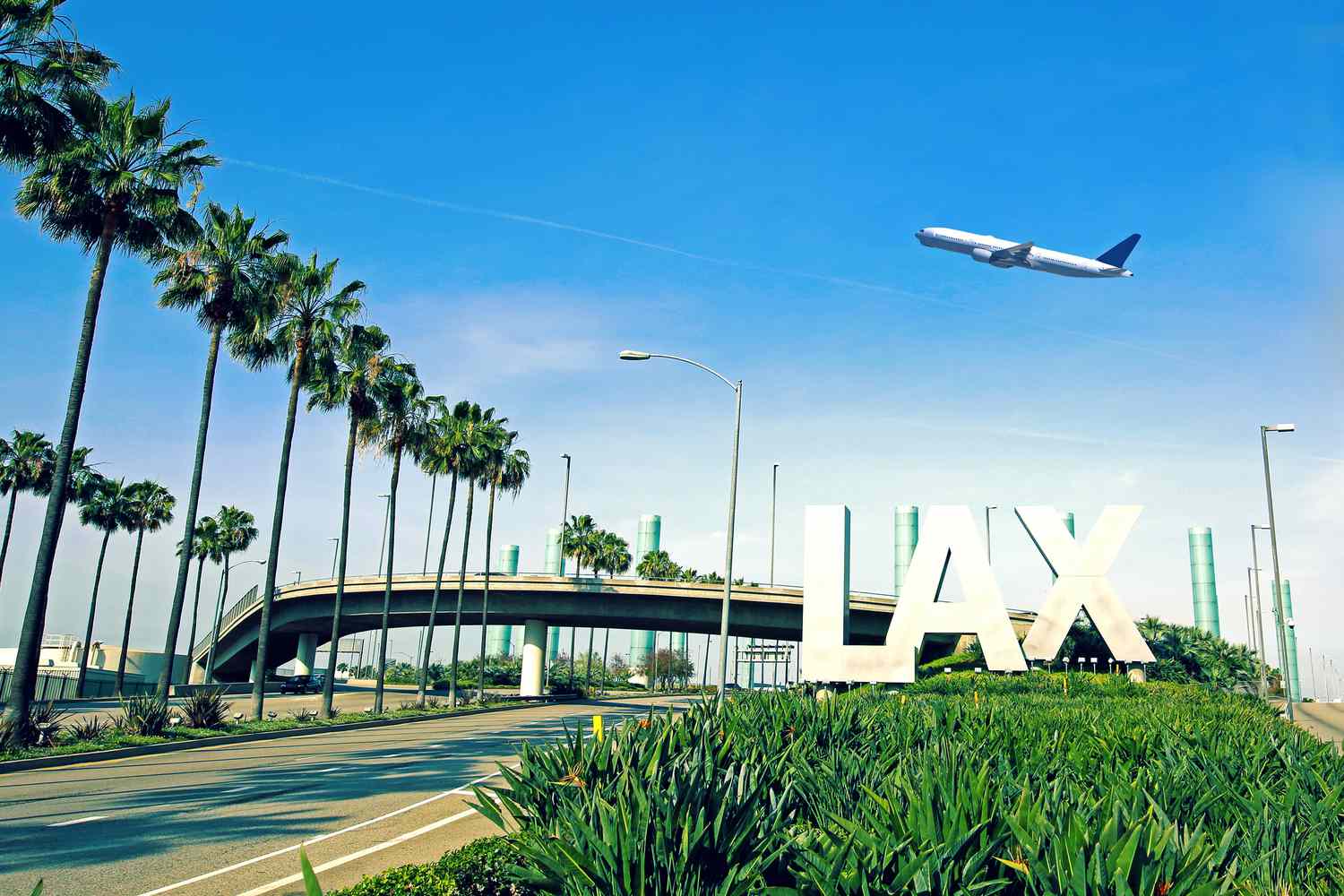
Today, November 23, Los Angeles International Airport (LAX) isn’t just busy; it is a kinetic experiment in human density. Early reports and viral social media metrics are tossing around a staggering figure: a 500% increase in passenger volume. While the statisticians will eventually smooth that number out against year-over-year averages, the feeling on the ground is undeniable.
We aren’t just seeing a holiday rush. We are witnessing a “perfect storm” of logistics, psychology, and policy collision.
The “Why”: Anatomy of a Super-Surge
To understand why the 500% figure feels real, you have to look at the calendar. We are sandwiched between two massive pressure points.
- The Post-Shutdown Rebound: We are barely ten days out from the end of the 43-day government shutdown. For over a month, flight restrictions and FAA staffing shortages throttled capacity. Today represents the breaking of that dam. The “500%” isn’t just normal traffic; it’s the release of six weeks of pent-up business and leisure travel that was artificially suppressed until mid-November.
- Thanksgiving Proximity: It is the Sunday before Thanksgiving. Historically, this is a “yellow alert” day, ramping up to the “red alert” of Wednesday. But combined with the post-shutdown floodgates, today has effectively become the busiest travel day of the decade.
- The Infrastructure Gap: Construction on the Central Terminal Area curbside improvement just began. This means lanes are closed exactly when volume is quintupling.
The Reality Check: A Terminal-by-Terminal Breakdown
The raw numbers (82 million Americans traveling this week) are abstract. The reality at LAX today is visceral.
- The Loop (World Way): It is currently a parking lot. The “horseshoe” design of LAX, finalized in an era when a 500% surge was mathematically impossible, is failing. Ride-shares are cancelling en masse because they simply cannot enter the central terminal area without losing an hour of revenue.
- TSA Checkpoints: This is where the “500% surge” hits hardest. With TSA staffing still restabilizing post-shutdown, PreCheck lines are bleeding into general boarding. The unspoken social contract of the airport queue is fraying.
- The Lounge Economy: Even the sanctuaries are overrun. The Delta Sky Club and the Star Alliance Lounge are reportedly operating “one-in, one-out” policies. When you can’t even buy your way out of the crowd, you know the system is saturated.
The Verdict: Is This the New Normal?
Is the “500% increase” a fluke or a forecast?
My verdict is that this is a warning shot. The aviation industry has been celebrating the “return to travel” since 2022, but today proves we have returned with a vengeance that our infrastructure cannot handle. We are trying to pour a gallon of water into a shot glass.
If you are traveling today, you are not a passenger; you are a participant in a logistical stress test. The infrastructure is crumbling not under neglect, but under sheer, unpredicted demand. The “Revenge Travel” narrative was supposed to end last year; instead, it has mutated into “Habitual Travel,” where flyers are willing to endure almost any level of friction to move.
Survival Guide: Navigating the Surge
If you must fly out of LAX in the next 24 hours, standard advice no longer applies.
- Abandon the Loop: Do not get dropped off at your terminal. It is a trap. Get dropped off at the LAX-it lot or a nearby hotel (like the Hyatt Regency) and walk. The 15-minute walk will save you 45 minutes of gridlock.
- Digital Sentry: Watch your flight status like a hawk. With this volume, one delayed inbound aircraft creates a domino effect that will wipe out the entire evening board.
- Pack Patience (and Snacks): The food court lines are currently longer than the security lines. If you didn’t bring food, you are fasting.
The bottom line: The 500% surge is real in impact, if not in exactitude. Today, LAX is not an airport; it is a city under siege. Proceed with caution, and if you can, maybe wait until Tuesday.
Discover more from Startups Pro,Inc
Subscribe to get the latest posts sent to your email.

Introduction
Emirates Airlines, renowned for its luxurious services, has taken inflight dining to new heights by introducing a special Iftar in a Box experience for passengers during the holy month of Ramadan. This unique offering allows travellers to break their fast while soaring through the skies at 35,000 feet. Let’s delve into the details of this exceptional culinary experience and explore what makes Emirates stand out in the realm of inflight dining.
1: The Tradition of Iftar
Ramadan, the ninth month of the Islamic lunar calendar, holds great significance for Muslims worldwide. It is a time of fasting, prayer, reflection, and community. Iftar, the evening meal with which Muslims break their fast at sunset, is a cherished tradition that brings families and communities together.
2: Emirates Airlines – Setting the Standard
Emirates Airlines has long been synonymous with luxury and excellence in air travel. From its opulent lounges to its award-winning inflight services, Emirates spares no effort in ensuring a premium travel experience for its passengers.
3: Elevating Inflight Dining
In keeping with its commitment to exceptional service, Emirates has introduced the concept of Iftar in a Box for passengers observing Ramadan. This initiative not only caters to the religious and cultural needs of Muslim travelers but also showcases Emirates’ dedication to providing a personalized and memorable journey for all its customers.
4: What’s Inside the Iftar Box?
The Iftar box offered by Emirates is a carefully curated selection of delectable dishes that cater to diverse palates and dietary preferences. From traditional Middle Eastern delicacies to international favorites, each item is thoughtfully chosen to ensure a satisfying and enjoyable dining experience.
5: The Experience at 35,000 Feet
Imagine breaking your fast amidst the clouds, surrounded by breathtaking views and impeccable service. The Iftar in a Box experience on Emirates flights adds a touch of magic to air travel, making it not just a journey but a culinary adventure.
6: Embracing Diversity and Inclusivity
By offering the Iftar in a Box service, Emirates demonstrates its commitment to inclusivity and diversity. This initiative goes beyond mere hospitality; it symbolizes respect for different cultures and traditions, fostering a sense of unity among passengers from around the world.
7: Conclusion – A Taste of Luxury in the Skies
Emirates Airlines’ Iftar in a Box experience exemplifies the airline’s dedication to providing unparalleled service and creating unforgettable moments for its passengers. Whether you’re travelling for business or leisure, this unique offering adds an extra layer of comfort and joy to your journey.
Discover more from Startups Pro,Inc
Subscribe to get the latest posts sent to your email.

Top 10 Media Startup Ideas for Massive Success in 2026

Billionaire Enrique Razon Accelerates Energy Push With Colombia, Philippine Deals

Bangladesh Rations Fuel as Mideast War Deepens Energy Crisis

Virgin Atlantic’s Strategic Swoop: On Track to Lure Tens of Thousands from British Airways’ Frequent Flyer Fold

The Great Launch Rush: How China’s Rocket IPO Surge Is Reshaping the Global Space Race

The Top 10 Business and Tech Institutes in the USA for Aspiring Business Leaders in 2026

ETFs Are Eating the World: AI Jitters and Oil’s Reversal

The Future is Now: Top 10 UK Startups Defining 2026

Entrepreneurship Funding: From Venture Capital to Bootstrapping

FITUR 2026: US, Mexico, India, China, and Spain Lead Global Tourism
Bangladesh Rations Fuel as Mideast War Deepens Energy Crisis
Billionaire Enrique Razon Accelerates Energy Push With Colombia, Philippine Deals
Top 10 Media Startup Ideas for Massive Success in 2026
-
Digital5 years ago
Social Media and polarization of society
-
Digital5 years ago
Pakistan Moves Closer to Train One Million Youth with Digital Skills
-
Digital5 years ago
Karachi-based digital bookkeeping startup, CreditBook raises $1.5 million in seed funding
-
News5 years ago
Dr . Arif Alvi visits the National Museum of Pakistan, Karachi
-
Digital5 years ago
WHATSAPP Privacy Concerns Affecting Public Data -MOIT&T Pakistan
-
Kashmir5 years ago
Pakistan Mission Islamabad Celebrates “KASHMIRI SOLIDARITY DAY “
-
Business4 years ago
Are You Ready to Start Your Own Business? 7 Tips and Decision-Making Tools
-
China5 years ago
TIKTOK’s global growth and expansion : a bubble or reality ?