
Digital
How 5G puts airplanes at risk – an electrical engineer explains

New high-speed cellphone services have raised concerns of interference with aircraft operations, particularly as aircraft are landing at airports. The Federal Aviation Administration has assured Americans that most commercial aircraft are safe, and AT&T and Verizon have agreed to hold off on installing their new cellphone antennas near airports for six months. But the problem has not been entirely resolved.
Concerns began when the U.S. government auctioned part of the C-band spectrum to wireless carriers in 2021 for US$81 billion. The carriers are using C-band spectrum to provide 5G service at full speed, 10 times the speed of 4G networks.
The C-band spectrum is close to the frequencies used by key electronics that aircraft rely on to land safely. Here’s why that can be a problem.
Keeping order on the spectrum
Wireless signals are carried by radio waves. The radio spectrum ranges from 3 hertz to 3,000 gigahertz and is part of the electromagnetic spectrum. The portion of the radio spectrum that carries the signals from your phone and other wireless devices is 20 kilohertz to 300 gigahertz.
If two wireless signals in the same area use the same frequency, you get garbled noise. You hear this when you are midway between two radio stations using the same or similar frequency bands to send their information. The signals get garbled and sometimes you hear one station, at other times the other, all mixed with a healthy dose of noise.
Therefore, in the U.S., the use of these frequency bands is tightly regulated by the Federal Communications Commission to ensure that radio stations, wireless carriers and other organizations are assigned “lanes,” or frequency spectra, to use in an orderly fashion.
Bouncing radio waves off the ground
Modern airplanes use altimeters, which calculate the time it takes for a signal to bounce back from the ground to determine a plane’s altitude. These altimeters are a vital part of automatic landing systems that are especially useful in cases where there is low visibility.

So, if an altimeter interprets a signal from a wireless carrier as the rebounded signal from the ground, it may think that the ground is closer than it is and prematurely try to lower the landing gear and do the other maneuvers that are needed to land an aircraft. If interference with wireless carrier signals corrupts and garbles the altimeter’s radio signals, the altimeter may not recognize the rebounded signal and thus be unable to figure out how close to the ground the plane is.
[Understand new developments in science, health and technology, each week. Subscribe to The Conversation’s science newsletter.]
The portions of the radio frequency spectrum used by airplanes and cellphone carriers are different. The problem is that airplane altimeters use the 4.2 to 4.4 gigahertz range, while the recently sold – and previously unused – C-band spectrum for wireless carriers ranges from 3.7 to 3.98 gigahertz. It turns out the 0.22 gigahertz difference between the signals may not be quite enough to be absolutely sure that a cellphone carrier signal will not be mistaken for or corrupt an altimeter’s signal.

Steering clear of trouble – for now
The telecommunication industry has argued that the gap of 0.22 gigahertz is enough and there will be no interference. The airline industry has been more cautious. Even if the risk is very small, I believe the consequences of a plane crash are enormous.
Who is correct? The chances of such interference are very small, but the truth is that there isn’t much data to say that such interference will never happen. Whether there will be interference depends on the receivers in the altimeters and their sensitivity. In my view, there is no way to ensure that such stray interfering signals will never reach altimeters.
If the altimeters can register the stray signals as noise and filter them out, then they can function correctly. Upgrading aircraft altimeters is a costly proposition, however, and it’s not clear who would pay the cost.
The FAA has been testing altimeters and clearing ones that can be relied on in the near future. AT&T and Verizon have agreed to not put up 5G transmitters and receivers near the 50 largest airports for six months while a solution is being worked out. This has averted a major crisis in the near term, but it isn’t a permanent solution.
Moreover, regional airlines and rural airports remain at risk of interference.
Discover more from Startups Pro,Inc
Subscribe to get the latest posts sent to your email.



Buried beneath the noise of the UK’s political transition and tax reform debates, one of the more genuinely useful fintech proposals in years has emerged from an unlikely coalition: the City of London Corporation, professional services giant EY, law firm Hogan Lovells, and input from the Financial Conduct Authority. Together, they’ve proposed a digital identity framework that could unlock more than £5 billion for the UK economy (CPA Business News).
What the “Digital Verification Orchestrator” Actually Solves
The core problem this proposal addresses is one every UK adult has experienced without necessarily naming it: the repeated friction of proving your identity from scratch every time you open a bank account, apply for a mortgage, sign up for a new financial service, or interact with a government agency. Each interaction currently requires submitting fresh documentation — passports, utility bills, proof of address — that gets independently verified, stored, and then discarded once the specific transaction concludes.
The proposed Digital Verification Orchestrator would allow consumers to verify their identity once and then reuse that verified credential across multiple financial services, eliminating the duplication baked into the current system (CPA Business News). Chris Hayward of the City of London Corporation has framed the underlying need bluntly: secure, reliable identity verification has never been more urgent.
The Numbers Behind the £5 Billion Figure
The framework’s backers put concrete numbers behind the headline benefit. The model could generate £1.8 billion in direct economic value while separately reducing fraud losses by £3 billion over a five-year period (CPA Business News). Combined, that produces the roughly £5 billion topline figure — split fairly evenly between new economic activity unlocked by reduced friction and losses prevented through better fraud detection.
That fraud dimension deserves particular attention given the scale of the UK’s existing fraud problem. Industry data from UK Finance’s Annual Fraud Report shows fraud remains a significant and persistent issue, with the sector currently preventing more than 70 pence out of every £1 of attempted unauthorized fraud without a loss occurring — meaning the underlying attempted-fraud volume is substantial even though most of it is currently being successfully blocked (UK Finance). A verified, reusable digital identity layer would theoretically reduce the attack surface for fraud attempts in the first place, rather than relying entirely on downstream detection.
Why This Timing Matters: The Unsecured Lending Backdrop
This proposal is landing at a moment when UK consumer credit stress is genuinely elevated. A Bank of England survey found a sharp rise in defaults on credit cards and other unsecured loans, with the balance of lenders reporting higher default rates jumping to 34 percentage points — up from 18 in the first quarter, and the highest reading since 2009 (CPA Business News). Lenders expect unsecured defaults to keep climbing, even as secured loan defaults have remained relatively stable.
KPMG’s Karim Haji has pointed specifically to unsecured lending as the area facing the most acute financial pressure, reflecting cost-of-living strain layered onto already-stretched household budgets. In that context, better identity verification infrastructure has a secondary benefit beyond fraud prevention: it can support more accurate, faster credit risk assessment at the point of lending, potentially helping responsible lenders differentiate genuinely creditworthy borrowers from higher-risk applicants more efficiently — though the framework’s public backers haven’t explicitly marketed it this way yet, this is a plausible downstream application worth watching.
The AI Regulation Angle Running in Parallel
This digital identity push isn’t happening in isolation. The Financial Conduct Authority has separately called for tighter oversight of artificial intelligence specifically within financial services, warning that AI will significantly affect retail finance over the next decade and suggesting the regulator’s own scope should expand to keep pace (CPA Business News). Notably, the FCA’s report also proposes a public-interest AI financial guidance service specifically designed to help consumers navigate increasingly automated financial decision-making.
Read together, these two regulatory threads — reusable digital identity verification and expanded AI oversight in retail finance — suggest UK regulators are trying to get ahead of a genuinely important structural shift: as more financial decisions (creditworthiness assessment, fraud detection, product recommendations) become AI-mediated, having a trustworthy, verified identity layer becomes infrastructure-critical rather than a nice-to-have convenience feature.
The Adoption Challenge Nobody’s Fully Addressed Yet
The proposal’s economic case is compelling on paper, but digital identity frameworks have a well-documented history of struggling with adoption — both from consumers wary of centralizing identity data and from smaller financial institutions reluctant to integrate with new verification infrastructure without clear near-term ROI. The current proposal, while backed by significant institutional weight (City of London Corporation, EY, Hogan Lovells, FCA input), doesn’t yet appear to have published a detailed rollout timeline, consumer opt-in mechanism, or data governance framework specifying exactly how verified identity data would be stored, secured, and — critically — who bears liability if a breach occurs within the shared verification infrastructure itself.
These are the practical questions that will determine whether the £5 billion economic opportunity materializes or whether this joins the list of previous UK digital identity initiatives that generated strong initial backing but struggled to achieve meaningful adoption.
What This Means for UK Businesses and Fintech Firms
For financial services firms: Early engagement with the Digital Verification Orchestrator framework as it develops could offer a competitive advantage in fraud reduction and customer onboarding speed — both directly tied to the proposal’s stated economic benefits.
For fintech startups specifically: A standardized, institutionally-backed identity verification layer could meaningfully lower the compliance and onboarding cost barrier that currently makes launching new consumer financial products expensive — potentially opening the UK market to smaller, more innovative players who currently can’t absorb the cost of building proprietary KYC (know-your-customer) infrastructure from scratch.
For consumers and consumer advocates: The framework’s success will likely hinge on transparent governance around data storage and breach liability — worth watching closely as implementation details emerge, given the sensitivity of centralized identity verification systems as a target for exactly the kind of large-scale fraud the proposal aims to reduce.
The Bottom Line
The Digital Verification Orchestrator represents a genuinely well-reasoned response to a real and quantifiable UK problem: redundant identity verification friction costing billions in lost economic activity and enabling billions more in preventable fraud, landing at a moment when unsecured lending defaults are already at their highest level since the 2009 financial crisis. The economic case is strong. What remains unproven is execution — and given the UK’s mixed track record with prior digital identity initiatives, the coalition behind this proposal will need to move from concept to detailed implementation faster than typical UK fintech policy timelines suggest, if it wants to capture the £5 billion opportunity before market and political attention moves elsewhere.
Discover more from Startups Pro,Inc
Subscribe to get the latest posts sent to your email.

As we stand on the cusp of 2026, the global media landscape is not merely evolving; it is undergoing a seismic restructuring. The tectonic plates of technology, geopolitical tensions, and shifting consumer trust are grinding against one another, forging a new, often precarious, reality for creators and conglomerates alike. We are witnessing a profound dislocation from the advertising-led, scale-at-all-costs model that defined the last decade. In its place, a more discerning, fragmented, and value-driven ecosystem is emerging—one where the very definitions of content, creator, and audience are being rewritten in real time.
The data paints a picture of staggering scale and simultaneous disruption. The global entertainment and media industry is on a trajectory to surpass $3 trillion, with advertising revenues alone projected to cross the monumental $1 trillion threshold in 2026. Yet, this growth is not evenly distributed. It’s a story of consolidation and crisis. While streaming giants battle for live sports rights and crack down on password sharing to sustain growth, traditional news publishers face an existential threat as AI-powered “answer engines” are predicted to erode up to 43% of their search traffic.
This challenging environment, however, is precisely where the most durable opportunities for media entrepreneurship in 2026 are being forged. The winners will not be those who simply produce more content, but those who solve the market’s most urgent new problems: the collapse of trust, the demand for verifiable authenticity, the need for intelligent curation in an age of algorithmic noise, and the monetization of deep, niche fandoms. What follows are not just ideas, but strategic responses to these fundamental market shifts—blueprints for the future of media startups.
1. The “Proof-of-Reality” Verification-as-a-Service (VaaS) Platform
The Problem: The proliferation of generative AI has triggered a full-blown synthetic content crisis. As deepfakes become indistinguishable from reality, a profound “trust deficit” is undermining journalism, corporate communications, and user-generated content. Audiences and organizations alike are desperate for a reliable authenticity layer.
Why 2026 is the Inflection Year: By 2026, the novelty of generative AI will have given way to widespread societal and regulatory alarm. Experts from the Reuters Institute predict an overwhelming need for verification tools to confirm the provenance of visual content. This creates a powerful market demand for a trusted, third-party arbiter of reality.
The Revenue Model: A B2B SaaS model targeting news organizations, legal firms, insurance companies, and corporate marketing departments. Tiers could be based on volume of verifications. A secondary B2C subscription could offer individuals a browser plug-in to flag synthetic content in their feeds.
Tech Enablers: Integration with the Coalition for Content Provenance and Authenticity (C2PA) open standard, which provides cryptographic proof of an asset’s origin. The platform would build a user-friendly interface on top of this, combining it with proprietary machine learning models trained to detect the subtle artifacts of AI generation. Blockchain technology can be used to create an immutable ledger of verified content.
Risk & Mitigation: The primary risk is the “arms race” against increasingly sophisticated AI generation models. Mitigation involves creating a research-focused arm of the company dedicated to constantly updating detection algorithms and collaborating with academic institutions and bodies like SAG-AFTRA, which are actively engaged in future-proofing against AI disruption.
2. AI-Powered Niche Streaming Bundles for the “Great Unbundling”
The Problem: Consumers are drowning in a sea of streaming services. Subscription fatigue is rampant, and the one-size-fits-all libraries of giants like Netflix and Disney+ often fail to satisfy the deep passions of niche audiences. The market is crying out for intelligent re-bundling.
Why 2026 is the Inflection Year: As major streamers consolidate and focus on broad-appeal content like live sports to justify rising costs, they leave valuable, high-engagement niches underserved. Deloitte’s 2026 outlook highlights that media success is now defined by “quality engagement” and “fandom,” not just production budgets, creating a gap for startups that can super-serve specific communities.
The Revenue Model: A subscription-based aggregator. Users subscribe to a “bundle” of niche streaming services (e.g., The Criterion Channel, Shudder, CuriosityStream, Mubi) for a single, discounted monthly fee. The startup takes a percentage of each subscription, providing a new acquisition channel for the niche streamers.
Tech Enablers: A sophisticated AI recommendation engine that learns a user’s specific tastes (e.g., “1970s Italian Giallo horror” or “documentaries on sustainable architecture”) and builds personalized viewing lists that pull from across the bundled services, creating a unified and curated discovery experience.
Risk & Mitigation: The primary risk is convincing niche streamers to join the bundle rather than competing independently. This is mitigated by offering a powerful value proposition: access to a broader audience, reduced churn through the bundle’s stickiness, and sophisticated cross-platform analytics that they could not afford on their own.
3. The Creator-Led B2B Education Platform
The Problem: Professional education is often sterile, outdated, and disconnected from the real-world pace of industries like marketing, finance, and software development. Meanwhile, top-tier industry practitioners are building massive audiences on social media but lack a premium, scalable platform to monetize their expertise beyond brand deals.
Why 2026 is the Inflection Year: The creator economy is maturing beyond a “vibe” and into a serious business. By 2026, many top creators will be looking for sustainable, high-margin revenue streams beyond advertising. As predicted in a Business of Fashion report, content creation is now a default career launchpad, and brands and followers are looking for deeper value.
The Revenue Model: A subscription platform where companies pay for team access to libraries of video courses taught by vetted, industry-leading creators. Revenue is shared with the creators, providing them with a recurring income stream that leverages their intellectual property.
Tech Enablers: An interactive learning platform with features like AI-driven quizzes, peer-to-peer feedback, and direct Q&A sessions with the creator-instructors. The platform would also handle all payment processing, content hosting, and enterprise-level administrative tools.
Risk & Mitigation: The main challenge is quality control and ensuring the educational content is rigorous and not just influencer fluff. This is mitigated by establishing a strict vetting process for creators, peer-review systems for courses, and partnerships with professional certification bodies to offer accredited qualifications.
4. Interactive Connected TV (CTV) Storytelling Studios
The Problem: Most television content, even on streaming platforms, remains a passive, one-way experience. While gaming offers deep interactivity, narrative film and television have yet to fully embrace audience agency.
Why 2026 is the Inflection Year: The technology for interactive, branching narratives on CTV is maturing. Simultaneously, as noted in a Deloitte report, audiences are seeking richer, more immersive experiences, leading to the rise of formats like “microdramas” on mobile. Bringing this interactivity to the high-production-value environment of the living room TV is the next logical step.
The Revenue Model: A studio model that develops and licenses interactive shows to major streaming platforms. Additional revenue streams include brand partnerships for in-narrative product placement (e.g., a character chooses a car, and a link to the automaker appears) and direct-to-consumer sales of “story packs” that unlock new narrative branches.
Tech Enablers: Real-time 3D rendering engines like Unreal Engine 5, combined with proprietary software for managing complex narrative trees and audience choices. AI can be used to dynamically adjust storylines based on collective audience data, creating a truly responsive entertainment experience.
Risk & Mitigation: High production costs are a significant barrier. This can be mitigated by starting with lower-stakes genres like romantic comedies or thrillers before scaling to large-scale sci-fi or fantasy. Partnering with a major streamer early on for a proof-of-concept series would also de-risk the initial investment.
5. “Dark Social” Community Management for Brands
The Problem: As public social feeds become saturated with AI-generated “slop” and algorithm-driven noise, the most valuable brand-consumer interactions are moving to private channels like Discord, WhatsApp, and Telegram—so-called “dark social.” Most brands lack the tools and expertise to effectively manage and monetize these high-trust communities.
Why 2026 is the Inflection Year: An Ogilvy trends report for 2026 identifies a massive migration to “dark social” as a response to AI flooding public feeds, noting that trust is moving to private channels. Brands that fail to follow their audience into these spaces will lose relevance.
The Revenue Model: A hybrid agency/SaaS model. The startup offers strategic consulting and community management services to help brands build and nurture their presence on private channels. It also provides a proprietary software dashboard that consolidates analytics, automates moderation, and facilitates exclusive e-commerce drops within these communities.
Tech Enablers: An analytics platform that can (with user consent) track engagement, sentiment, and conversion metrics within private group chats. AI-powered chatbots can handle routine customer service inquiries, freeing up human community managers to focus on high-value interactions.
Risk & Mitigation: The key risk is navigating the privacy-centric nature of these platforms without appearing intrusive. Mitigation requires a “community-first” approach, where the startup helps brands provide genuine value (exclusive content, early access, direct support) rather than just pushing marketing messages. Radical transparency about data usage is non-negotiable.
6. Hyper-Localized News & Events Platforms
The Problem: Traditional local news has been decimated, leaving a vacuum for community-specific information. At the same time, large social platforms are poor at surfacing relevant local events, discussions, and news, often burying them under a deluge of national content.
Why 2026 is the Inflection Year: Forrester predicts a significant portion of consumers will actively choose offline and local experiences over purely digital ones in 2026, seeking richer, more sensory interactions. This creates a demand for a media service that bridges the digital and physical worlds at a neighborhood level.
The Revenue Model: A “freemium” subscription model. A free version offers a basic digest of local news and events. A premium subscription unlocks features like a detailed community calendar, exclusive deals from local businesses, and participation in neighborhood forums. Additional revenue comes from local businesses paying to be featured.
Tech Enablers: A platform that aggregates data from local government sites, community groups, and local creators, using AI to curate a personalized feed for each user based on their specific neighborhood and interests. Geofencing technology can push alerts for nearby events or news.
Risk & Mitigation: Scaling is the major challenge, as the model requires deep penetration in one market before expanding to the next. This is mitigated by focusing intensely on a single city or even a single large neighborhood to perfect the playbook, building a loyal user base and strong network effects before attempting to replicate the model elsewhere.
7. AI-Augmented Audio & “Vodcast” Production Suite
The Problem: Producing a high-quality podcast or video podcast (“vodcast”) is still technically demanding and time-consuming. Editing, mixing, transcription, and creating social media clips require multiple tools and significant manual effort, creating a barrier for many would-be creators.
Why 2026 is the Inflection Year: Podcasting is rapidly shifting to video. By 2026, Deloitte predicts that video-enabled podcasts will be prevalent, with global ad revenues for the format reaching approximately $5 billion. This shift increases production complexity, creating a need for more efficient tools.
The Revenue Model: A tiered SaaS subscription. A basic tier offers AI-powered audio enhancement and transcription. Higher tiers add features like multi-camera video editing, automated generation of social media clips (e.g., “Find the 5 most powerful quotes and turn them into TikToks”), and AI-driven content repurposing (e.g., turning an episode into a blog post and newsletter).
Tech Enablers: An all-in-one, browser-based platform powered by generative AI. The tool would use AI to automatically remove filler words, balance audio levels, switch between camera angles based on who is speaking, and identify the most shareable moments to be clipped for promotion.
Risk & Mitigation: Competition from established software players (Adobe, Descript) is the main risk. The startup can mitigate this by focusing on an extremely intuitive, user-friendly interface designed for creators, not professional video editors, and by offering more generous free tiers to build a large user base quickly.
8. The Ethical Creator-Brand Partnership Marketplace
The Problem: The influencer marketing space is inefficient and opaque. Brands struggle to find authentic creators who align with their values, while creators are often underpaid or pushed into inauthentic partnerships. The process is manual, relationship-based, and lacks transparent ROI metrics.
Why 2026 is the Inflection Year: The creator economy is professionalizing. As noted in a report by Ogilvy, vanity metrics are dead, and ROI is the new KPI, with top campaigns delivering an average of $5.78 in revenue for every dollar spent. This demands a more data-driven approach to partnerships. The shift is from brand deals to true co-creation and equity partnerships.
The Revenue Model: A marketplace model that takes a commission on deals facilitated through the platform. The platform would differentiate itself by using an “ethics-first” algorithm that matches brands and creators based on shared values, audience trust scores, and historical performance data, not just follower counts.
Tech Enablers: A data-rich platform that provides deep analytics on a creator’s audience demographics, engagement quality, and past campaign performance. AI could analyze a creator’s content library to generate a “brand safety and values alignment” score. Blockchain-based smart contracts could automate payments and ensure transparency.
Risk & Mitigation: Gaining the trust of both brands and creators to build initial marketplace liquidity is the key challenge. This can be mitigated by partnering with a respected creator-focused organization or talent agency (UTA’s Creators division, for example ) to onboard a critical mass of high-quality talent from the outset.
9. IP Incubation for the Creator Economy
The Problem: The most successful creators are evolving from being individuals into being media brands. However, very few have the expertise or capital to translate their digital fame into durable intellectual property (IP) like games, animated series, product lines, or live experiences.
Why 2026 is the Inflection Year: Having spent a decade building audiences, veteran creators are now asking, “What is my legacy?” They are shifting from content-for-content’s-sake to building businesses and lasting impact. This creates a demand for partners who can help them build enterprise value around their personal brands.
The Revenue Model: A hybrid venture studio and strategic advisory firm. The startup would identify top creators with strong IP potential and co-invest with them to develop new ventures. Revenue comes from a combination of advisory fees and, more significantly, equity stakes in the new businesses created.
Tech Enablers: While primarily a human-capital business, technology plays a role in identifying potential creator partners through analytics platforms that track audience loyalty, merchandise sales, and other indicators of strong brand affinity.
Risk & Mitigation: The risk is that of any venture capital investment—some bets will fail. This is mitigated by developing a rigorous selection process and a diversified portfolio of creator partnerships across different verticals (e.g., gaming, beauty, education, food) to spread the risk.
10. The On-Demand Geopolitical & Economic Intelligence Briefing Service
The Problem: In an era of increasing global volatility, executives, investors, and strategists need concise, forward-looking intelligence on how geopolitical shifts and economic trends will impact their industries. Traditional analysis from sources like The Economist or the Financial Times is exceptional but not always tailored to a specific company’s or sector’s needs.
Why 2026 is the Inflection Year: The convergence of deglobalization, trade wars, climate-related disruptions, and technological competition between nations (especially the US and China) has made high-quality geopolitical risk analysis an essential, not an optional, business tool. This demand for bespoke intelligence will only intensify.
The Revenue Model: A high-ticket subscription service. Corporate clients pay a significant annual fee for access to a team of analysts, a library of on-demand video briefings, and the ability to commission custom reports on topics relevant to their business (e.g., “How will the 2026 semiconductor export controls affect the automotive supply chain in Europe?”).
Tech Enablers: An AI-powered platform that constantly scans thousands of global news sources, government reports, and financial filings to identify emerging risks and opportunities. This “first-pass” analysis is then elevated by a team of human experts (former diplomats, economists, and journalists) who provide the crucial layer of nuance and forward-looking insight that AI alone cannot.
Risk & Mitigation: Establishing credibility is the paramount challenge. This is mitigated by hiring a small, elite team of highly respected analysts with impeccable credentials from the outset. Producing a series of high-impact, publicly available reports in the first year can serve as a powerful marketing tool to demonstrate the quality of the analysis and attract the first cohort of paying clients.
Discover more from Startups Pro,Inc
Subscribe to get the latest posts sent to your email.
Analysis
Virgin Atlantic’s Strategic Swoop: On Track to Lure Tens of Thousands from British Airways’ Frequent Flyer Fold

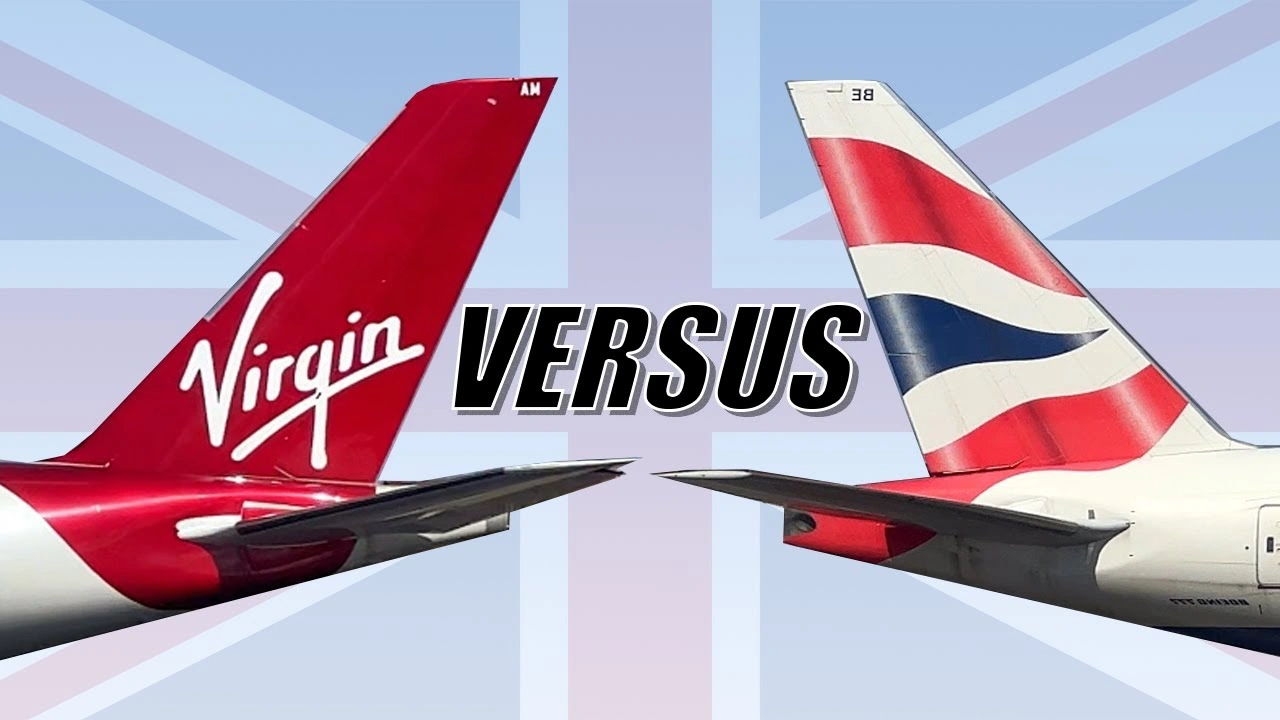
There’s a particular kind of frustration that frequent flyers know intimately — the moment you realize the loyalty program you’ve spent years nurturing has quietly moved the goalposts. For thousands of British Airways Executive Club members, that moment arrived in 2024 when BA announced sweeping changes to its tier points structure, effectively raising the bar for elite status in ways that left many road warriors feeling, as one London-based consultant put it, “more grounded than airborne.” Now, with Virgin Atlantic’s enhanced status match promotion closing February 23, 2026, a competitor is turning that discontent into a mass migration — and the numbers are staggering.
According to <a href=”https://www.ft.com/content/6384ee81-fab6-4024-a9ec-a0d18303a48f”>reporting by the Financial Times</a>, Virgin Atlantic is on track to poach tens of thousands of British Airways’ most loyal customers, capitalizing on what may be the most consequential loyalty program overhaul in UK aviation history. The transatlantic airline rivalry has always been fierce, but rarely has one carrier’s stumble created such a clean runway for the other.
The BA Loyalty Shake-Up: What Went Wrong?
British Airways’ revamp of its Executive Club, which began rolling out in earnest through 2024 and 2025, was designed with a clear philosophy: reward high spenders, not just high flyers. The airline shifted its tier points model to weight spend more heavily, meaning that a budget-conscious business traveler who logs 100,000 miles annually on economy fares could find themselves slipping from Gold to Silver — or off the tier ladder entirely.
The logic is financially sound from an airline CFO’s perspective. Loyalty programs have evolved into multi-billion-pound profit centers; BA’s parent company IAG reported loyalty revenue contributions exceeding £1.5 billion in 2024. Restructuring around spend rather than miles mirrors Delta SkyMiles’ controversial 2023 overhaul in the United States — a move that triggered a similar exodus there.
But the human cost to brand loyalty has been severe. <a href=”https://www.telegraph.co.uk/travel/advice/passengers-abandoning-british-airways”>The Telegraph has documented</a> a notable wave of passengers abandoning British Airways, with forum threads on FlyerTalk and social media communities swelling with testimonials from disgruntled BA frequent flyers who feel the airline has broken an implicit contract. “I gave them my business when there were cheaper options,” wrote one Gold card holder on a popular aviation forum. “Now they’re telling me that’s not enough.”
This is the kindling Virgin Atlantic just lit a match to.
Virgin’s Clever Counterplay: Enhanced Status Matches
Virgin Atlantic’s status match promotion — which allows qualifying BA Executive Club Gold and Silver members to receive equivalent status in its Flying Club program — is not new. Status matches are a standard competitive tool in the airline industry. What is notable is the scale of uptake and the precision of the targeting.
<a href=”https://www.bloomberg.com/news/articles/2026-02-11/virgin-targets-british-airways-loyal-flyers-with-status-upgrade”>Bloomberg reported in February 2026</a> that Virgin Atlantic had seen a threefold increase in status match applications compared to the same period a year earlier — a figure that, extrapolated across the promotion window, suggests the airline could onboard somewhere between 30,000 and 50,000 newly status-matched members before the February 23 deadline closes.
The Virgin Atlantic BA status match 2026 offer has become one of the most searched loyalty-related queries in UK travel this quarter, with an estimated 2,500 monthly searches — a signal of genuine consumer intent, not just passive curiosity. For those unfamiliar with what they’d be gaining, the comparison deserves scrutiny.
Virgin Flying Club Gold status perks include:
- Priority boarding and check-in across all Virgin Atlantic routes
- Access to Virgin Clubhouses and partner lounges (including select Delta Sky Clubs on codeshare routes)
- Bonus miles earning at an accelerated rate on Virgin and SkyTeam partner flights
- Complimentary seat selection in preferred economy and premium economy cabins
- Elite customer service lines with reduced wait times
The SkyTeam elite status perks accessible through Virgin’s alliance membership are a quietly powerful selling point. SkyTeam’s 19-airline network — including Air France-KLM, Delta, and Korean Air — means a matched Virgin Gold card holder gains reciprocal benefits across a broad global footprint. For frequent travelers to Continental Europe or Asia, this can represent a meaningfully better everyday experience than BA’s oneworld network depending on specific routes.
Economic Ripples in the Skies
To understand why this moment matters beyond the marketing spectacle, it’s worth examining the loyalty economics in aviation at a structural level.
Airline loyalty programs have been unmoored from their original purpose — rewarding flight frequency — and repositioned as financial instruments. Airlines sell miles to banks and credit card partners at rates that often exceed the revenue from the seat itself. United Airlines’ MileagePlus program was valued at approximately $22 billion in 2020 collateral filings — more than the airline’s entire fleet. This financialization means that acquiring a loyal member, particularly one who holds a co-branded credit card, is worth far more than a single booking.
When Virgin Atlantic matches a BA Gold member’s status, it isn’t just winning a transatlantic fare. It’s bidding for years of credit card spend, hotel transfers, shopping portal revenue, and the downstream ecosystem that a loyal, high-value traveler represents. <a href=”https://finance.yahoo.com/news/virgin-atlantic-lures-hundreds-ba-120300720.html”>Yahoo Finance has noted</a> that the sign-up surge represents a potentially transformative shift in Virgin’s loyalty revenue trajectory — particularly as the airline deepens its joint venture partnership with Delta Air Lines on UK-US routes.
The transatlantic airline rivalry between Virgin and BA is ultimately a proxy war for this loyalty revenue. And BA’s tier points overhaul, whatever its internal financial rationale, has handed its rival an opening that won’t come twice.
Perks That Persuade: Comparing the Programs
For the disgruntled BA frequent flyer weighing their options, the practical calculus deserves honest examination. Status matches are not unconditional gifts — they typically require meeting ongoing earning thresholds within a qualifying window, usually 90 days, to retain the matched tier.
That said, for someone already flying regularly on UK-US transatlantic routes, earning the required tier points within Virgin’s Flying Club framework is achievable. A return Virgin Atlantic Upper Class ticket from London Heathrow to JFK, for instance, earns substantial tier miles that accelerate toward Gold retention.
A side-by-side comparison for economy travelers:
| Feature | BA Executive Club Silver | Virgin Flying Club Gold (matched) |
|---|---|---|
| Lounge Access | Domestic/short-haul lounges only | Clubhouse access on Virgin-operated flights |
| Seat Selection | Preferred seats with fee | Complimentary preferred seats |
| Bonus Miles Earning | 25% bonus | 50% bonus |
| Alliance Network | oneworld | SkyTeam |
| Status Validity | 12 months | 12 months (with earning requirement) |
The best airline loyalty switch UK calculation tilts toward Virgin for travelers whose routes align with Virgin and SkyTeam’s strengths — particularly those flying to New York, Los Angeles, or cities well-served by Delta, Air France, or KLM. For travelers heavily dependent on BA’s dominance of Heathrow slots and its extensive short-haul European network, the switch carries more trade-offs.
The Forward View: Aviation’s Loyalty Wars Enter a New Phase
What Virgin Atlantic has executed here is textbook competitive strategy — identify a competitor’s policy-driven customer dissatisfaction, lower the switching cost, and convert resentment into revenue. But the deeper story is what it reveals about the future of frequent flyer programs UK and the airlines that operate them.
BA’s revamp was not miscalculated in isolation. Airlines globally are trying to thread an impossible needle: extract more value from loyalty programs without alienating the road warriors who built those programs’ worth in the first place. Delta triggered backlash. BA triggered backlash. The lesson competitors are taking is that the window of maximum customer frustration is also a window of maximum competitive opportunity.
Virgin Atlantic, for its part, enters this phase with structural advantages it lacked a decade ago. Its Delta joint venture provides genuine transatlantic scale. Its Clubhouses remain among the most acclaimed premium lounges in UK aviation. And its Flying Club, while smaller than BA’s Executive Club, has a reputation for accessibility and customer responsiveness that its rival has struggled to maintain.
The February 23 deadline will close, but the switchers it captures won’t easily return. Research on airline loyalty transitions consistently shows that once a traveler habituates to a new program — and begins accumulating points and status within it — re-acquisition costs for the original carrier are enormous.
Thinking about making the switch before Sunday’s deadline? The process is simpler than it sounds: visit Virgin Atlantic’s Flying Club status match page, upload your BA Executive Club tier documentation, and allow 72 hours for processing. Whether the match holds long-term depends on your flying patterns — but for many former BA loyalists, the question isn’t whether to switch. It’s why they waited this long.
The skies over the North Atlantic have always been contested territory. This February, they belong a little more to Virgin.
Discover more from Startups Pro,Inc
Subscribe to get the latest posts sent to your email.

PM Invites US-Based Pakistani Business Community to Invest in Pakistan as Investment Opportunities Expand

Trump Accounts Reshuffle Tens of Millions in Big Tech & AI Holdings

NIC Islamabad Launches Exclusive Acceleration Program with Up to PKR 5 Million Equity-Free Grant Support

World School Summit 2026 Malaysia: 41st Edition

Global Digital Trade Expo 2026: Dates, Schedule, Venue, Registration and Everything You Need to Know

How to Claim Your Sony PlayStation Store Credit Settlement (Up to $33.66)

CES 2027 Las Vegas: Registration Details, Dates and Venue [Ultimate Guide]

IPhone 18 Pro Specifications, Pricing, and Thermal Architecture Leaks Analyzed

Pre-IPO Investing Strategies: How Institutional Money is Approaching Anthropic

Smash Bros Ultimate 13.0.5 Patch Notes: What Actually Changed
CES 2027 Las Vegas: Registration Details, Dates and Venue [Ultimate Guide]
Global Digital Trade Expo 2026: Dates, Schedule, Venue, Registration and Everything You Need to Know
How to Claim Your Sony PlayStation Store Credit Settlement (Up to $33.66)
IPhone 18 Pro Specifications, Pricing, and Thermal Architecture Leaks Analyzed
NIC Islamabad Launches Exclusive Acceleration Program with Up to PKR 5 Million Equity-Free Grant Support
World School Summit 2026 Malaysia: 41st Edition
Trump Accounts Reshuffle Tens of Millions in Big Tech & AI Holdings
PM Invites US-Based Pakistani Business Community to Invest in Pakistan as Investment Opportunities Expand
-
Digital5 years ago
Social Media and polarization of society
-
Digital6 years ago
Pakistan Moves Closer to Train One Million Youth with Digital Skills
-
Digital5 years ago
Karachi-based digital bookkeeping startup, CreditBook raises $1.5 million in seed funding
-
Kashmir6 years ago
Pakistan Mission Islamabad Celebrates “KASHMIRI SOLIDARITY DAY “
-
Digital6 years ago
WHATSAPP Privacy Concerns Affecting Public Data -MOIT&T Pakistan
-
News6 years ago
Dr . Arif Alvi visits the National Museum of Pakistan, Karachi
-
China5 years ago
TIKTOK’s global growth and expansion : a bubble or reality ?
-
Business5 years ago
Are You Ready to Start Your Own Business? 7 Tips and Decision-Making Tools