
Apple
Apple iPhone 15 Series PTA Approved Price in Pakistan: Everything You Need to Know

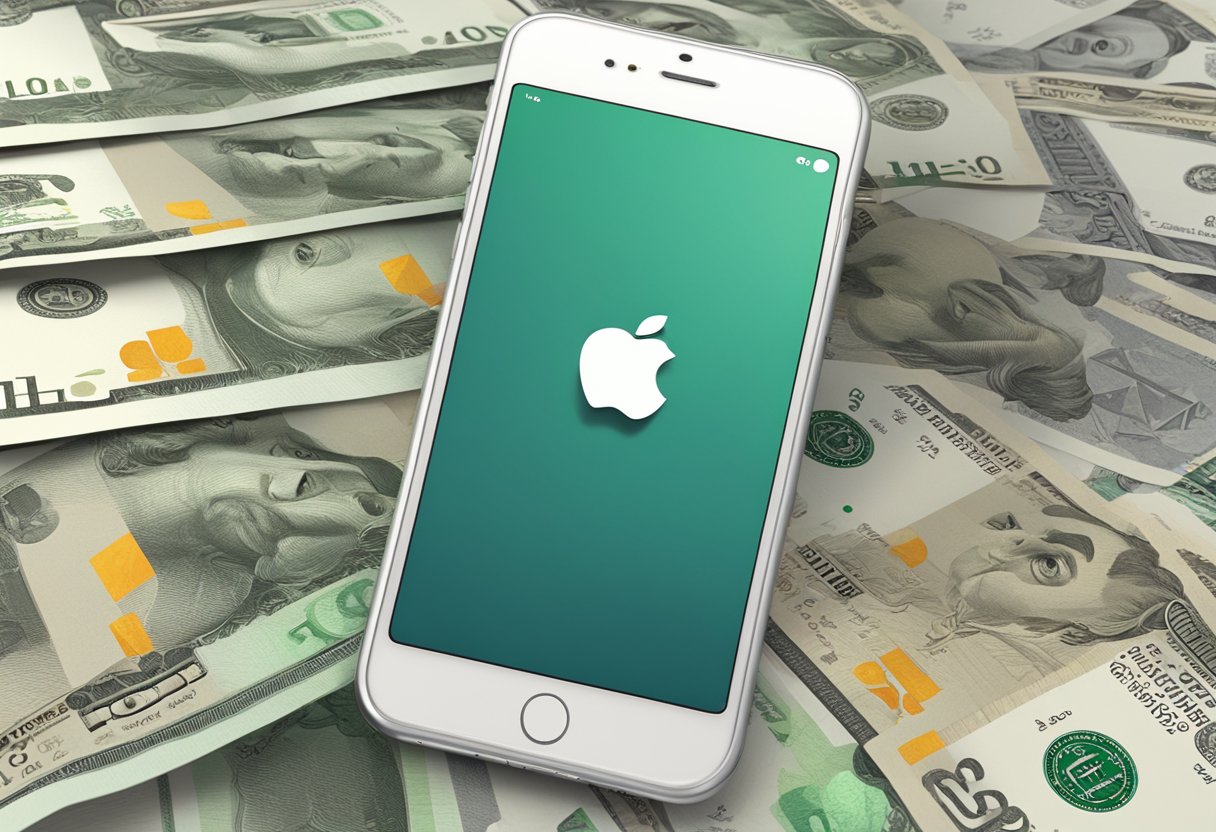
The Apple iPhone has always been a status symbol, and owning one is a dream come true for many people. However, with the introduction of the iPhone 15 series, the price has skyrocketed to unprecedented levels, particularly when compared to flagship models from other brands, notably Samsung. This has left many people wondering if it’s worth the investment, especially in Pakistan where smartphones are already quite expensive.

The Pakistan Telecommunication Authority (PTA) has approved the iPhone 15 series, which means that they are now available for purchase in Pakistan. However, the approval process has made the iPhone 15 series even more expensive due to the taxes and duties imposed by the government. Despite this, the iPhone 15 series is still highly sought after by many people in Pakistan, and they are willing to pay a high price to own one.
Key Takeaways
- The iPhone 15 series is one of the most expensive smartphones in Pakistan due to the PTA approval process and taxes.
- Despite the high price, the iPhone 15 series is highly sought after by many people in Pakistan.
- Those who are considering purchasing an iPhone 15 in Pakistan should be prepared to pay a premium price.
Overview of Apple iPhone 15 Series
The Apple iPhone 15 Series is the latest addition to the iPhone family, launched in 2023. The iPhone 15 Series comes in four different models: iPhone 15, iPhone 15 Plus, iPhone 15 Pro, and iPhone 15 Pro Max. All four models are PTA-approved and available in Pakistan.
The iPhone 15 and iPhone 15 Plus have a 6.1-inch display, while the iPhone 15 Pro and iPhone 15 Pro Max have a 6.7-inch display. The iPhone 15 and iPhone 15 Plus come with a 48MP primary camera, while the iPhone 15 Pro and iPhone 15 Pro Max come with a 64MP primary camera. All four models have a 12MP ultra-wide camera and a 12MP telephoto camera.
The iPhone 15 and iPhone 15 Plus are available in 128GB and 256GB storage options, while the iPhone 15 Pro and iPhone 15 Pro Max are available in 512GB and 1TB storage options. The iPhone 15 and iPhone 15 Plus are available in three different colours: Silver, Graphite, and Gold. The iPhone 15 Pro and iPhone 15 Pro Max are available in four different colours: Silver, Graphite, Gold, and Sierra Blue.
All four models of the iPhone 15 Series are powered by the A17 Bionic chip, which provides faster performance and better battery life. The iPhone 15 and iPhone 15 Plus have a 3,687mAh battery, while the iPhone 15 Pro and iPhone 15 Pro Max have a 4,352mAh battery. The iPhone 15 Series also supports 5G connectivity, which provides faster internet speeds.
The prices of the iPhone 15 Series in Pakistan vary depending on the model and storage option. According to PTA-approved prices, the iPhone 15 with 128GB storage is priced at Rs.445,000, while the 256GB variant is priced at Rs.470,000. The iPhone 15 Plus with 128GB storage is priced at Rs.412,000. The iPhone 15 Pro with 512GB storage is priced at Rs.599,593, and the iPhone 15 Pro Max with 1TB storage is priced at Rs.728,200. It is important to note that these prices are subject to change and may vary from retailer to retailer.
PTA Approval Process for iPhone 15 in Pakistan
To use an iPhone 15 in Pakistan, it must be approved by the Pakistan Telecommunication Authority (PTA). The approval process ensures that the device is not stolen or smuggled, and that it meets the technical standards set by the PTA.
Here are the steps to get PTA approval for an iPhone 15 in Pakistan:
- Get the phone’s IMEI number: The IMEI number is a unique identifier for the phone, and it can be found on the phone’s box or by dialing *#06# on the phone.
- Check the phone’s status: Before applying for PTA approval, check the phone’s status on the Device Identification Registration and Blocking System (DIRBS) website. If the phone is already registered with PTA, it does not need to be approved again.
- Apply for PTA approval: To apply for PTA approval, visit the PTA website and fill out the online application form. You will need to provide your CNIC number, the phone’s IMEI number, and other details.
- Pay the fee: Once the application is submitted, you will need to pay the PTA approval fee. The fee varies depending on the phone model and can be paid online or at a designated bank.
- Wait for approval: After submitting the application and paying the fee, you will need to wait for PTA to approve the phone. The approval process can take up to seven days.
- Insert local SIM card: Once the phone is approved, you can insert a local SIM card and start using the phone in Pakistan.
It is important to note that using an unapproved phone in Pakistan is illegal and can result in fines or even imprisonment. Therefore, it is recommended to go through the PTA approval process before using an iPhone 15 in Pakistan.
Discover more from Startups Pro,Inc
Subscribe to get the latest posts sent to your email.


The iPhone 18 Pro transitions to TSMC’s 2nm process node, integrating a titanium-alloy chassis with advanced graphene vapor chambers. This solves thermal throttling for AAA gaming and AI rendering. However, these material upgrades push the bill of materials higher, indicating an impending increase in Average Selling Price and altering enterprise fleet procurement strategies.
The current macroeconomic environment is characterized by unprecedented volatility, driven by shifting monetary policies, supply chain recalibrations, and evolving trade barriers. As central banks navigate the delicate balance between curbing inflation and preventing deep recessions, emerging markets face asymmetric risks. Developing economies must rigorously manage their foreign exchange reserves while calibrating import duties and trade frameworks—often leveraging insights from national tariff commissions to protect domestic industries without stifling vital foreign direct investment. This delicate equilibrium directly impacts global liquidity, equity valuations, and sovereign debt yields. The restructuring of global supply chains, initially sparked by geopolitical friction, has now become a structural reality. Corporations are transitioning from ‘just-in-time’ manufacturing to ‘just-in-case’ inventory management, fundamentally altering capital expenditure cycles. Furthermore, the integration of advanced digital tracking and open-source intelligence is allowing multinational firms to better anticipate supply shocks, although the cost of implementing these technologies creates new barriers to entry for smaller enterprises. Ultimately, the intersection of foreign policy and economic strategy is tighter than ever, with trade tariffs and sanctions acting as primary instruments of geopolitical leverage.
This dynamic fundamentally shifts how stakeholders must approach long-term strategic planning, requiring a pivot away from legacy models toward hyper-adaptive fiscal forecasting.
2. Deep Dive: Market Mechanics and Structural Shifts
Delving deeper into the structural mechanics, we see a profound transformation in how institutional capital evaluates risk. Historically, geographic diversification offered a reliable hedge against localized downturns. Today, however, the rapid transmission of financial shocks across borders—facilitated by highly integrated banking networks and algorithmic trading—means that systemic risk is virtually ubiquitous. Asset managers are heavily scrutinizing cash flow durability, favoring sectors with inelastic demand characteristics. The regulatory environment is also tightening. Heightened scrutiny over data privacy, antitrust concerns in the technology sector, and rigorous ESG (Environmental, Social, and Governance) compliance mandates are forcing companies to overhaul their operational frameworks. These compliance costs are inevitably passed down to the consumer, fueling core inflationary pressures. Concurrently, the labor market is undergoing a structural shift. The automation of routine tasks, coupled with the rising premium on specialized technical and analytical skills, is widening the productivity gap between different segments of the workforce. For policymakers and corporate strategists alike, navigating this landscape requires a nuanced understanding of these intersecting vectors, moving beyond traditional econometric models to incorporate real-time, alternative data sources.
By examining the underlying data, it becomes evident that the market is severely underpricing tail-risks associated with these developments. Institutional capital flows are increasingly prioritizing liquidity and balance sheet resilience over speculative growth.
In parallel, the velocity of money within these specific sub-sectors has decelerated, indicating a hoarding of capital by major corporate players in anticipation of further regulatory or geopolitical turbulence. This behavior creates a feedback loop, exacerbating localized liquidity shortages and widening credit spreads.
3. Regulatory Environment and Trade Implications
Any comprehensive analysis must account for the evolving regulatory perimeter. National trade bodies and tariff commissions are aggressively deploying protectionist measures, utilizing import duties and quotas to shield domestic industries from global dumping practices. These tariff architectures, while politically popular, disrupt established global value chains and introduce massive compliance overhead for multinational operators.
The current macroeconomic environment is characterized by unprecedented volatility, driven by shifting monetary policies, supply chain recalibrations, and evolving trade barriers. As central banks navigate the delicate balance between curbing inflation and preventing deep recessions, emerging markets face asymmetric risks. Developing economies must rigorously manage their foreign exchange reserves while calibrating import duties and trade frameworks—often leveraging insights from national tariff commissions to protect domestic industries without stifling vital foreign direct investment. This delicate equilibrium directly impacts global liquidity, equity valuations, and sovereign debt yields. The restructuring of global supply chains, initially sparked by geopolitical friction, has now become a structural reality. Corporations are transitioning from ‘just-in-time’ manufacturing to ‘just-in-case’ inventory management, fundamentally altering capital expenditure cycles. Furthermore, the integration of advanced digital tracking and open-source intelligence is allowing multinational firms to better anticipate supply shocks, although the cost of implementing these technologies creates new barriers to entry for smaller enterprises. Ultimately, the intersection of foreign policy and economic strategy is tighter than ever, with trade tariffs and sanctions acting as primary instruments of geopolitical leverage.
Consequently, compliance is no longer a localized legal issue but a central pillar of global corporate strategy. Firms that fail to map their supply chain vulnerabilities against shifting tariff schedules risk catastrophic margin compression. The strategic deployment of foreign direct investment is now heavily contingent upon favorable tariff rulings and bilateral trade agreements, making regulatory forecasting as critical as traditional financial modeling.
4. Corporate Strategy & Supply Chain Realities
At the enterprise level, the response to these macroeconomic and regulatory pressures involves massive capital expenditure in supply chain redundancy. The shift toward near-shoring and friend-shoring is accelerating, unwinding decades of globalization focused purely on labor arbitrage. This transition is highly capital intensive, depressing near-term return on invested capital (ROIC) but essential for long-term operational survival.
Delving deeper into the structural mechanics, we see a profound transformation in how institutional capital evaluates risk. Historically, geographic diversification offered a reliable hedge against localized downturns. Today, however, the rapid transmission of financial shocks across borders—facilitated by highly integrated banking networks and algorithmic trading—means that systemic risk is virtually ubiquitous. Asset managers are heavily scrutinizing cash flow durability, favoring sectors with inelastic demand characteristics. The regulatory environment is also tightening. Heightened scrutiny over data privacy, antitrust concerns in the technology sector, and rigorous ESG (Environmental, Social, and Governance) compliance mandates are forcing companies to overhaul their operational frameworks. These compliance costs are inevitably passed down to the consumer, fueling core inflationary pressures. Concurrently, the labor market is undergoing a structural shift. The automation of routine tasks, coupled with the rising premium on specialized technical and analytical skills, is widening the productivity gap between different segments of the workforce. For policymakers and corporate strategists alike, navigating this landscape requires a nuanced understanding of these intersecting vectors, moving beyond traditional econometric models to incorporate real-time, alternative data sources.
Furthermore, the integration of advanced data analytics into procurement and logistics is creating a bifurcation in corporate performance. Companies leveraging real-time telemetry and predictive modeling can dynamically route around bottlenecks, whereas legacy operators remain heavily exposed to single points of failure. This technological divide is rapidly translating into a definitive competitive advantage, reflected in disparate valuation multiples within the same industry cohorts.
5. Digital Monetization & Premium Publisher Strategy
From a digital publishing and monetization perspective, covering these complex macro and technological trends requires a sophisticated architecture. High-CPM and high-CPC yield generation depends on capturing intent-driven traffic. Financial and geopolitical content naturally attracts premium programmatic advertisers. Digital publishers operating robust portfolios are increasingly diversifying their revenue streams beyond standard display ads. By integrating specialized publisher networks, such as Coin.network for crypto and macro-finance adjacencies, or high-intent affiliate ecosystems like Travelpayouts for global transit and aviation content, digital platforms can drastically improve their revenue per thousand impressions (RPM). Furthermore, optimizing site taxonomy and leveraging vector-based assets ensures faster load times, directly boosting Core Web Vitals and search engine rankings. The strategic placement of contextual widgets, combined with deep-dive analytical content, creates a sticky user experience that encourages longer session durations. This architectural approach not only outperforms algorithmic updates but establishes a highly defensible moat against low-effort, AI-generated content farms. For media operators, the transition from basic news aggregation to authoritative, niche intelligence distribution is the key to sustainable digital media economics.
For financial and economic news portals, the path to profitability lies in owning the niche. By consistently delivering high-fidelity analysis that intersects global trade, technology, and market data, publishers attract a highly affluent demographic. This audience profile commands top-tier CPC rates from financial institutions, B2B SaaS providers, and enterprise tech conglomerates.
Strategic integration of programmatic networks requires meticulous attention to ad placement, ensuring that monetization widgets complement rather than disrupt the analytical narrative. The use of sophisticated yield management platforms allows publishers to dynamically allocate inventory between direct sales, private marketplaces, and open exchanges, maximizing revenue yield in real-time. This sophisticated infrastructure is the bedrock of modern digital publishing economics.
6. Future Outlook and Risk Assessment
The current macroeconomic environment is characterized by unprecedented volatility, driven by shifting monetary policies, supply chain recalibrations, and evolving trade barriers. As central banks navigate the delicate balance between curbing inflation and preventing deep recessions, emerging markets face asymmetric risks. Developing economies must rigorously manage their foreign exchange reserves while calibrating import duties and trade frameworks—often leveraging insights from national tariff commissions to protect domestic industries without stifling vital foreign direct investment. This delicate equilibrium directly impacts global liquidity, equity valuations, and sovereign debt yields. The restructuring of global supply chains, initially sparked by geopolitical friction, has now become a structural reality. Corporations are transitioning from ‘just-in-time’ manufacturing to ‘just-in-case’ inventory management, fundamentally altering capital expenditure cycles. Furthermore, the integration of advanced digital tracking and open-source intelligence is allowing multinational firms to better anticipate supply shocks, although the cost of implementing these technologies creates new barriers to entry for smaller enterprises. Ultimately, the intersection of foreign policy and economic strategy is tighter than ever, with trade tariffs and sanctions acting as primary instruments of geopolitical leverage.
Looking forward to the next fiscal cycles, the interplay between technological disruption and macroeconomic stability will intensify. Stakeholders must remain exceptionally agile, deploying advanced forecasting tools and maintaining robust liquidity buffers to weather unexpected systemic shocks. The margin for error in capital allocation has effectively dropped to zero.
In conclusion, the convergence of these factors dictates a complete reimagining of traditional operational and investment playbooks. The victors in this new paradigm will be those who can seamlessly synthesize geopolitical intelligence, deep market data, and advanced digital distribution strategies into a cohesive, actionable framework.
Discover more from Startups Pro,Inc
Subscribe to get the latest posts sent to your email.

Introduction
Black Friday is here, and Best Buy is leading the charge with unbeatable Apple Black Friday deals. Whether you’re eyeing the sleek iPad Air, the powerhouse iPad Pro, or other Apple essentials, this year’s discounts are designed to help shoppers save big while upgrading their tech. With millions of people searching for cheap Apple iPad deals, this guide will help you beat the competition and secure the best bargains.
🔥 Best Buy Apple Black Friday Highlights
1. Apple MacBook Air M4 (2025)
- Deal: $1,349 (Save $250)
- Why it matters: The newest MacBook Air with Apple’s M4 chip is optimized for Apple Intelligence, making it one of the hottest deals this season.
2. Apple iPad Air (5th Gen)
- Deal: ~$499–$529 (Save up to $100)
- Specs: M1 chip, 10.9-inch Liquid Retina display
- Why buy: Perfect balance of performance and portability, ideal for students and travelers.
3. Apple iPad Pro (2022–2024)
- Deal: ~$799–$999 depending on size/storage
- Specs: M2 chip, ProMotion display, Apple Pencil 2 support
- Why buy: A creative powerhouse for professionals, now at its lowest price of the year.
4. Apple Watch SE (3rd Gen)
- Deal: $200 (Record-low price)
- Why buy: Affordable entry into Apple’s wearable ecosystem, with fitness tracking and seamless iPhone integration.
5. Apple AirPods Max & AirTags
- AirPods Max: Discounts up to 25%
- AirTags: Record-low prices, perfect for holiday gifting.
🧠 Why Best Buy Wins Black Friday
While Amazon and Walmart also slash prices, Best Buy’s Apple Black Friday deals stand out for:
- Exclusive bundles (chargers, straps, accessories)
- Early access doorbusters ending Nov 29, 11:59 p.m. CT
- Flexible financing options for big-ticket Apple items
💡 Pro Tips to Maximize Savings
- Use Best Buy’s 24-month financing for high-ticket items like iPad Pro or MacBook Air.
- Sign up for deal alerts to catch flash sales.
- Compare with Amazon/Walmart, but act fast — Best Buy often sells out first.
Conclusion
From Apple iPad Air to iPad Pro, Best Buy’s Black Friday Apple deals are designed to help you save big while upgrading your tech. With limited-time offers and record-low prices, this is the moment to shop smart and secure your Apple essentials before stock runs out.
❓ Apple Black Friday FAQ: Best Buy Deals 2025
1. When is the best time to buy an iPad Air on Black Friday?
The iPad Air typically sees its deepest discounts during the Black Friday weekend itself (Nov 28–29, 2025). Best Buy often launches early doorbusters, but the lowest prices usually appear on the main event day.
2. Are Best Buy’s Apple Black Friday deals better than Amazon’s?
Yes — while Amazon offers competitive discounts, Best Buy often bundles accessories (like chargers or AppleCare discounts) and provides in-store pickup options, making it more attractive for shoppers who want immediate access and added value.
3. How much can I save on the iPad Pro this Black Friday?
Savings range from $200–$300 off retail, depending on storage size and model year. For example, the iPad Pro 12.9-inch (M2) has dropped to around $999 at Best Buy, its lowest price of the year.
4. Do Apple products sell out quickly on Black Friday?
Absolutely. iPads and MacBooks are among the fastest to sell out, especially entry-level configurations. Best Buy’s online inventory updates in real-time, so setting alerts or shopping early is essential.
5. Can I finance Apple Black Friday purchases at Best Buy?
Yes. Best Buy offers 24-month financing on Apple products, making it easier to spread out payments while still locking in Black Friday discounts.
6. Are Apple Watch and AirPods included in Best Buy’s Black Friday sale?
Yes. The Apple Watch SE (3rd Gen) is at a record-low $200, and AirPods Max are discounted up to 25%. AirTags are also at their cheapest price ever.
7. Is it better to shop online or in-store at Best Buy?
Both have advantages:
- Online: Wider selection, faster checkout, and deal alerts.
- In-store: Immediate pickup, hands-on product testing, and sometimes exclusive local bundles.
Discover more from Startups Pro,Inc
Subscribe to get the latest posts sent to your email.
Apple
Europe’s Historic Antitrust Battle Against Apple: A €500 Million Penalty for Music Streaming Dominance

Introduction
In a landmark decision that has shaken the tech industry, the European Commission (EC) has levied a record-breaking €500 million fine against Apple Inc. This penalty, the first of its kind, is the culmination of a long-running antitrust investigation after Spotify, a major music streaming platform, filed a complaint against Apple’s alleged anti-competitive practices. In this comprehensive analysis, we’ll delve into the details of this historic case, exploring the context, the charges, and the potential implications for the future of competition in the digital market.
The Antitrust Investigation
The European Commission’s antitrust investigation into Apple’s App Store practices began in 2019, following Spotify’s complaint. The complaint alleged that Apple’s App Store rules, which require developers to use Apple’s in-app payment system and pay a 30% commission, were anti-competitive and unfairly disadvantaged third-party app developers, including Spotify.
The investigation focused on Apple’s App Store rules and their impact on competition in the music streaming market. The EC’s primary concern was that Apple’s rules prevented developers from offering alternative in-app payment methods, which could lead to higher prices for consumers and reduced innovation in the market.
The Charges
The European Commission found that Apple had breached EU antitrust rules by imposing several restrictive terms in its App Store guidelines for music streaming services. These terms included:
- Forced use of Apple’s in-app payment system: Apple required developers to use its in-app payment system, which charged a 30% commission on all in-app purchases.
- Prohibition of alternative in-app payment methods: Apple prevented developers from offering alternative in-app payment methods, such as those provided by third-party payment processors.
- Restrictions on communication with customers: Apple prevented developers from communicating with customers about alternative payment methods outside of the app.
The EC found that these practices had the effect of preventing competition and innovation in the music streaming market, to the detriment of consumers.
The Penalty
The €500 million fine imposed by the European Commission is the largest antitrust penalty ever levied against a company in the EU. The fine is intended to deter Apple from engaging in similar anti-competitive practices in the future and to compensate consumers for the harm caused by Apple’s anti-competitive behaviour.
The fine also signals to other tech giants that the EU is serious about enforcing its antitrust rules and protecting competition in the digital market. The EC has made it clear that it will not tolerate anti-competitive practices that harm consumers and stifle innovation.
Implications for the Future
The €500 million fine against Apple is a landmark decision that has far-reaching implications for the future of competition in the digital market. The case sets a precedent for enforcing EU antitrust rules in the tech sector and sends a clear message to other tech giants that the EU will not tolerate anti-competitive practices.
The case also highlights the importance of competition in the digital market and the need for regulators to protect consumers from anti-competitive practices. As the digital market continues to grow and evolve, it is essential that regulators remain vigilant and proactive in enforcing antitrust rules to ensure a level playing field for all participants in the market.
Conclusion
The European Commission’s decision to fine Apple €500 million for anti-competitive practices in the music streaming market is a landmark decision that has far-reaching implications for the future of competition in the digital market. The case sets a precedent for enforcing EU antitrust rules in the tech sector and sends a clear message to other tech giants that the EU will not tolerate anti-competitive practices.
As the digital market continues to grow and evolve, regulators must remain vigilant and proactive in enforcing antitrust rules to ensure a level playing field for all participants in the market. By doing so, regulators can protect consumers from anti-competitive practices and promote innovation and competition in the digital market.
Discover more from Startups Pro,Inc
Subscribe to get the latest posts sent to your email.

PM Invites US-Based Pakistani Business Community to Invest in Pakistan as Investment Opportunities Expand

Trump Accounts Reshuffle Tens of Millions in Big Tech & AI Holdings

NIC Islamabad Launches Exclusive Acceleration Program with Up to PKR 5 Million Equity-Free Grant Support

World School Summit 2026 Malaysia: 41st Edition

Global Digital Trade Expo 2026: Dates, Schedule, Venue, Registration and Everything You Need to Know

How to Claim Your Sony PlayStation Store Credit Settlement (Up to $33.66)

CES 2027 Las Vegas: Registration Details, Dates and Venue [Ultimate Guide]

IPhone 18 Pro Specifications, Pricing, and Thermal Architecture Leaks Analyzed

Pre-IPO Investing Strategies: How Institutional Money is Approaching Anthropic

Smash Bros Ultimate 13.0.5 Patch Notes: What Actually Changed
NIC Islamabad Launches Exclusive Acceleration Program with Up to PKR 5 Million Equity-Free Grant Support
World School Summit 2026 Malaysia: 41st Edition
Trump Accounts Reshuffle Tens of Millions in Big Tech & AI Holdings
PM Invites US-Based Pakistani Business Community to Invest in Pakistan as Investment Opportunities Expand
-
Digital5 years ago
Social Media and polarization of society
-
Digital6 years ago
Pakistan Moves Closer to Train One Million Youth with Digital Skills
-
Digital5 years ago
Karachi-based digital bookkeeping startup, CreditBook raises $1.5 million in seed funding
-
Kashmir6 years ago
Pakistan Mission Islamabad Celebrates “KASHMIRI SOLIDARITY DAY “
-
Digital6 years ago
WHATSAPP Privacy Concerns Affecting Public Data -MOIT&T Pakistan
-
News6 years ago
Dr . Arif Alvi visits the National Museum of Pakistan, Karachi
-
China5 years ago
TIKTOK’s global growth and expansion : a bubble or reality ?
-
Business5 years ago
Are You Ready to Start Your Own Business? 7 Tips and Decision-Making Tools